
Offset vs Digital
Offset vs Digital Printing: Choosing the Right Method for Your Project
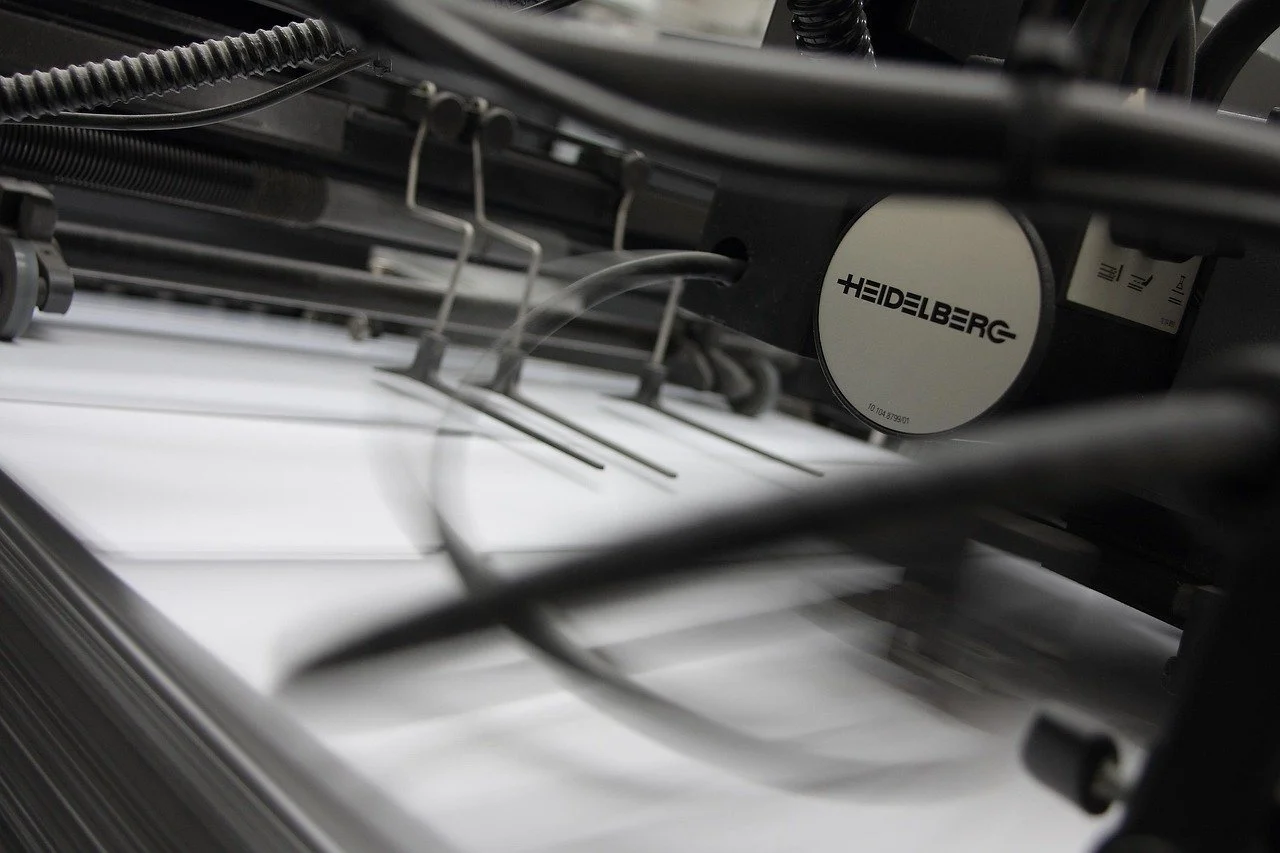
In the world of commercial printing, offset and digital printing are the two most common methods used to produce high-quality materials. Offset printing relies on metal plates that transfer ink onto a rubber blanket and then onto paper, delivering exceptional color accuracy and consistency. It’s ideal for large-volume jobs - like magazines, catalogs, or bulk brochures - because the setup cost is higher, but the cost per piece decreases as the quantity increases. The result is crisp, professional output and the ability to match exact brand colors through Pantone inks.
Digital printing, on the other hand, prints directly from a digital file onto paper, eliminating the need for plates. This makes it the faster and more flexible option for small runs, tight deadlines, or personalized projects such as business cards, flyers, and direct mail campaigns. Digital presses excel in short-run efficiency and customization, allowing each piece to feature unique text or graphics without slowing production. Although the color precision may vary slightly compared to offset, modern digital printers now achieve near-offset quality.
Ultimately, the choice between offset and digital printing comes down to quantity, timeline, and budget. If you’re producing thousands of copies and want perfect color matching, offset printing delivers the best value. But if you need quick turnaround, smaller quantities, or variable data printing, digital is the smarter, more economical choice. At IDP Printing, we offer both methods to ensure your materials look their best - no matter the project size or scope.